
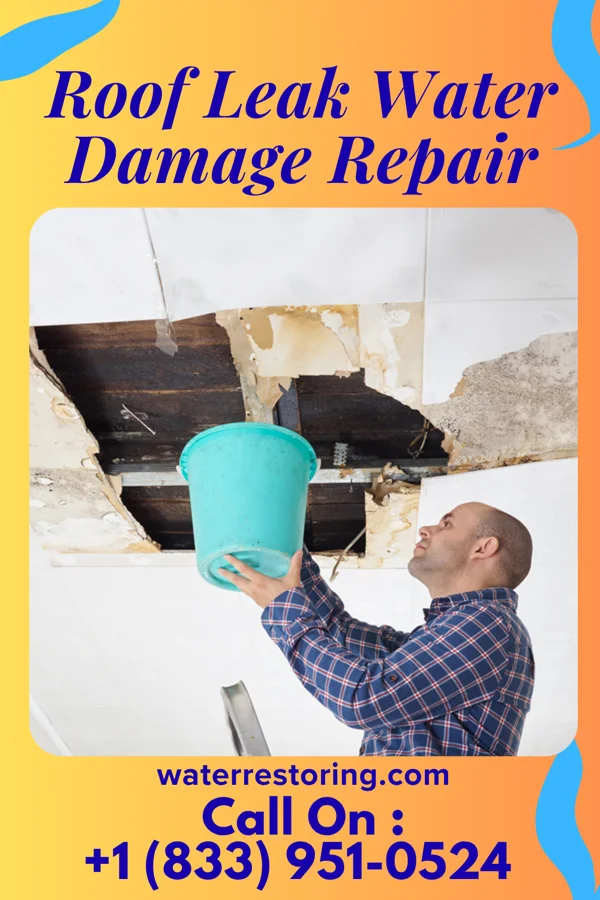
Why Roof Leak Damage Spreads in Northport
Most water damage emergencies in Northport start with Northport, Washington experiences frequent rain and occasional snowfall, particularly during the late fall and early winter months. The region's coastal influence brings in moist air, increasing the likelihood of prolonged rain events that can lead to roof leaks. High humidity levels further contribute to the risk of water damage, especially in older or improperly maintained structures.. A close second is The area is prone to strong winds that can lift shingles or damage roofing materials, creating entry points for water. Additionally, the proximity to the Columbia River can lead to fog and mist, which, while not heavy rain, can still seep into roofing systems over time and cause long-term damage.. From the second water touches the property, every minute changes what gets saved and what gets ripped out.
The combination of frequent rain, high humidity, and strong winds in Northport means that water damage and roof leaks are common issues. Homes in the area often require regular maintenance to prevent long-term structural damage, especially in older neighborhoods with aging roofing systems.
Most roof leak water damage repair calls in Northport come from Northport, Washington experiences frequent rain and occasional snowfall, particularly during the late fall and early winter months. The region's coastal influence brings in moist air, increasing the likelihood of prolonged rain events that can lead to roof leaks. High humidity levels further contribute to the risk of water damage, especially in older or improperly maintained structures.. Running a close second is The area is prone to strong winds that can lift shingles or damage roofing materials, creating entry points for water. Additionally, the proximity to the Columbia River can lead to fog and mist, which, while not heavy rain, can still seep into roofing systems over time and cause long-term damage.. Local mold risk: In Northport, mold growth can begin within 48 hours of water intrusion, especially in humid conditions. This can lead to significant secondary damage, including structural weakening, compromised insulation, and health risks for residents.